CDN capabilities
Your site stays on your server; our nodes in Moscow, St Petersburg, Amsterdam and Chisinau sit in front of it. Each visitor connects to the nearest node: static files come straight from its cache, everything else is passed on to your server. Basic DDoS filtering runs on the node, and we issue and renew the SSL certificate. Connecting takes a DNS change — your code stays as it is.
from $45/mo · see pricing
Get 14 days free
When a CDN helps and when it doesn't
It does not help every site equally. If you recognise your case in the table, connect it; if not, don't expect much.
| Situation | What the CDN gives |
|---|---|
| Lots of images, video, downloads | The main case: static files come from the nearest node and your server's bandwidth is freed |
| Visitors spread across regions | Lower latency on every request, not only the first |
| Occasional traffic spikes | The peaks land on the network, not on your server |
| The site has already been attacked | The real server address stops showing, junk traffic is dropped on the way |
| An internal service for ten employees | Almost nothing: tune the server instead |
| Every response is unique to the user | Nothing to cache; you still get proxying and protection |
What gets faster
Three things add up, and the first usually outweighs the other two:
- Static cache on the nodes. Images, scripts, styles and fonts come from the node nearest to the visitor. Such a request never reaches your server.
- TLS handshake close to the user. A handshake takes several round trips. When they go to a nearby node instead of a server on another continent, the page starts loading noticeably sooner.
- Compression. It applies to everything sent to the client, dynamic responses included.
Dynamic pages work as before: requests that can't be cached go to your server over a connection the node keeps open.
What the network handles for protection
Once traffic goes through the network, only its addresses are visible from outside and your server stops being a target. Volumetric attacks are spread across the nodes, obvious junk packets are dropped by signature, and application-level attacks, SQL injection and XSS included, are filtered by analysing requests and client behaviour. Attack types are covered in the article on DDoS protection.
This only works while the origin address stays hidden. Old A records, subdomains such as mail or email headers can give it away, and then an attacker goes around the network. Before connecting, change the server address and accept traffic only from the filtering network.
How to get started with the CDN
Complete three steps
Ready within a few hours
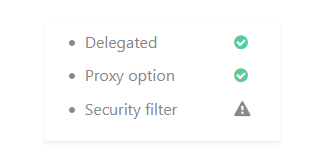
1. In your Alviy dashboard, create a zone and move over all DNS records
2. Delegate the domain to Alviy at your domain registrar
3. Wait for the SSL/TLS certificates to be issued
4. Manage it
Rates for proxying, filtering and antibot are on the pricing page. If what you need is not content delivery but resilience of the zone itself, see secondary DNS.
14 days of proxy and protection — free
We put your site behind our nodes in Moscow, St. Petersburg and Amsterdam. Pay only if you decide to stay.