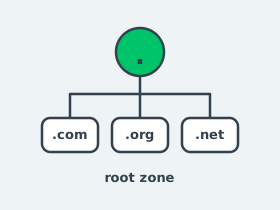
The 13 root identities
Historically there are thirteen root servers — labelled A through M, each with a name like a.root-servers.net. These are not thirteen physical machines: behind every letter stand hundreds of sites around the world, spread out through anycast. The same address is announced from many places, and a resolver automatically reaches the nearest one — keeping the root fast and resilient to outages and attacks.
The first step of resolution
Almost every full name lookup begins at the root:
- Ask the root — a recursive resolver asks a root server about a domain, say example.com.
- Referral to the TLD — the root replies with a list of authoritative servers for the .com zone.
- Down the tree — the resolver then goes to the .com servers, and finally to the domain's own servers.
The addresses of the root servers are built into resolvers in advance — otherwise there would be nowhere to start the search.