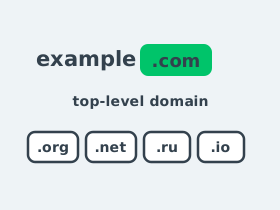
Where the TLD sits in a name
A domain name is read from right to left and split into levels by dots. In blog.example.com the top-level domain is .com, the name example is the second-level domain, and blog is a subdomain. The TLD is where DNS starts resolution: the query goes to the root servers, which point to the NS servers responsible for that zone.
Kinds of top-level domains
Top-level zones are usually split into three groups:
- gTLD — generic zones such as .com, .org and .net; originally meant to signal a type of activity.
- ccTLD — country-code zones like .ru, .de, .fr; tied to countries and territories and often with their own registration rules.
- New gTLDs — zones opened since 2013, such as .io, .shop, .app and hundreds of other themed options.
The TLD you pick affects how a name is perceived and whether it is available: country zones can be limited by requirements on the owner, while popular generic zones cost more.